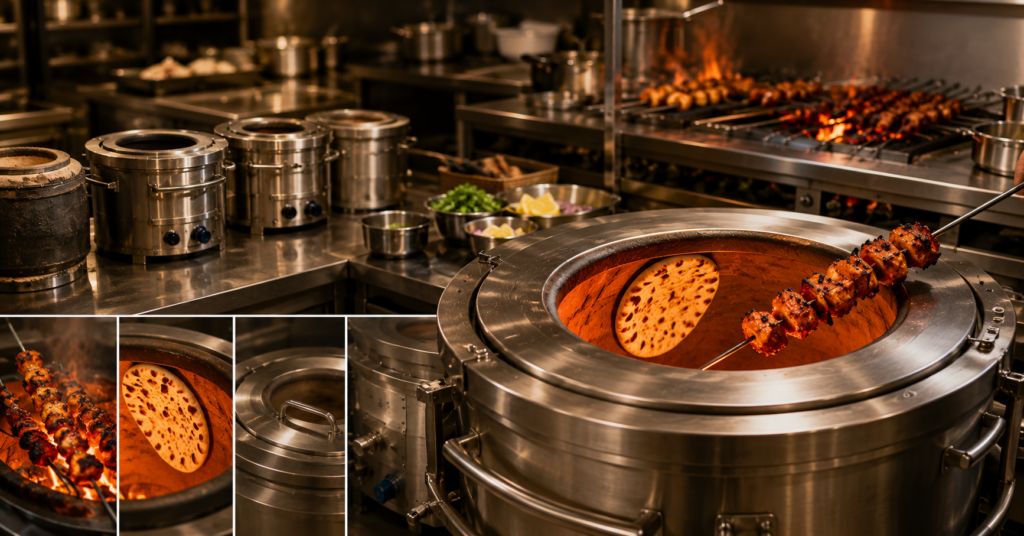
Anyone who’s actually run a busy kitchen knows a bad tandoor doesn’t fail quietly. It fails during your busiest hour, exactly when the naan’s coming out unevenly and the kebab line starts backing up behind it. That’s why picking the right tandoor deserves more thought than most people give it and it’s also why starting with a proper restaurant kitchen equipment supplier makes such a difference. Not equipment worth gambling on, whether you’re running one outlet or scaling across several and it’s exactly the kind of setup pshospitalityservices has helped kitchens get right from day one.
A tandoor looks simple enough from the outside cylindrical, clay-lined, some charcoal or gas, a lot of heat. But there’s actually real engineering behind a good one and the gap between a well-built tandoor and a mediocre one shows up fast the moment you’re running continuous service, not just cooking the occasional dish here and there.
Why Tandoor Quality Matters More Than People Expect
A tandoor that performs fine in a demo isn’t the same thing as one that’s still holding up after six months of daily firing. Heat retention, the internal lining, how evenly the chamber distributes temperature all of it decides whether your naan comes out consistent batch after batch, or whether you’re stuck dealing with uneven cooking that frustrates your kitchen staff and your customers alike.
This is exactly where an experienced restaurant kitchen equipment supplier earns their keep. A good one understands a tandoor isn’t just some standalone purchase your entire tandoor menu depends on it running daily, so it needs to be sized and built around your actual volume, not some generic spec sheet number. If you’re setting up a station from scratch, browsing through Restaurant Kitchen Equipment options first gives you a clearer sense of what should be planned around the tandoor itself.
What to Actually Look for in the Internal Lining and Insulation
Most of the real quality difference in a tandoor lives in the internal lining. A well-lined one holds heat efficiently, keeps a steady internal temperature through a long dinner service, and doesn’t bleed heat every time the lid opens for another order. A poorly lined one struggles to hold temperature, slows your kitchen down and usually needs relining or repair a lot sooner than it should.
Ask your supplier directly what the lining’s made of and how it holds up under daily continuous use. It’s not the kind of detail that jumps out on a spec sheet, but it’s exactly the question a reliable restaurant kitchen equipment supplier should answer without stumbling.
Sizing the Tandoor to What Your Kitchen Actually Handles
One mistake that comes up constantly kitchens buy a tandoor sized for a slower period, then struggle once volume actually picks up. A tandoor that’s too small for peak hours turns into a bottleneck fast and there’s no quick fix for that mid-service when the kitchen’s already under pressure.
This is where hotel kitchen equipment sizing matters just as much as it does for a standalone restaurant. Bigger hotel kitchens running banquet service alongside a busy à la carte menu need tandoors built for sustained, high-volume output not occasional use. If you’re setting up hotel kitchen equipment for a property that’s going to run tandoor items regularly through service, it’s worth actually discussing your daily order volume with the supplier before locking in a size.
Don’t Overlook What’s Sitting Around the Tandoor
A tandoor rarely works alone. It’s part of a bigger prep and cooking flow and everything around it matters just as much for keeping service moving. A solid cutting table or chopping table nearby for marinating and prepping meat and vegetables, deep fridges close by to hold marinated stock at safe temperatures, sinks or an SS wash basin for constant hand and equipment washing all of it feeds into how smoothly your tandoor station actually runs during a busy shift.
A capable SS cutting table manufacturer gets that a table used for tandoor prep needs to handle constant marinating, chopping and cleaning without the surface breaking down. Look for solid seam welding and proper food-grade steel gauge a wobbly or thin-surfaced table slows prep down and makes a mess right next to your hottest piece of equipment.
Storage That Keeps Your Tandoor Station Actually Stocked
Running a tandoor efficiently also comes down to having ingredients and skewers properly organised close by, which is where a dependable SS storage rack supplier comes in. Racks near a tandoor station take a beating every day, constantly loading and unloading marinated stock, skewers and prep trays throughout service.
A weak SS storage rack supplier sells racks that look fine at delivery but start sagging or corroding within months once they’re actually carrying daily weight in a hot, humid kitchen. Proper load-bearing design and food-grade steel finishing matter here just as much as anywhere else in the kitchen.
If Your Menu Goes Beyond the Tandoor
Most kitchens running a tandoor are also running a wider menu and that’s where a few other equipment categories come into the picture. If your menu has fresh bread or dessert items beyond tandoor rotis, going with a genuine bakery equipment manufacturer instead of a general supplier makes a real difference. Bakery equipment has its own demands around proofing, mixing and oven consistency that a tandoor-focused supplier might not fully get.
Same goes if South Indian items are on the menu an idli steamer manufacturer who actually understands consistent steam distribution and batch capacity will serve you far better than a generic steaming unit that struggles to keep up during a busy breakfast rush. And for kitchens pushing out high volumes of rotis or chapatis alongside tandoor items, working with a reliable automatic chapati maker supplier takes real pressure off your kitchen staff during peak hours, keeping output steady without needing another pair of hands at the stove. If your menu also runs quick bites like sandwiches alongside tandoor items, it’s worth looking at something like a Sandwich Griller too, since a well-built griller keeps that side of the menu just as consistent during a rush.
Small Equipment That Keeps the Whole Station Running
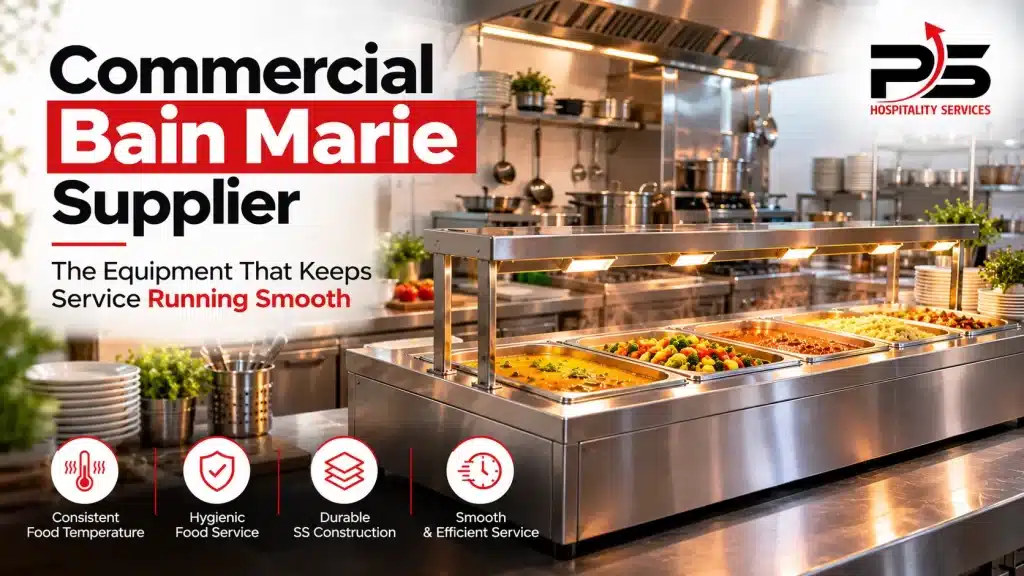
Beyond the big-ticket items, a tandoor station leans on smaller equipment that’s easy to overlook while buying a bain-marie for holding sauces and marinades at safe serving temperature, salad counters for the sides served alongside tandoor dishes and service trolleys for getting hot items from kitchen to pass quickly. None of it’s glamorous, but weak build quality in any of it shows up fast under daily high-volume use.
A bain-marie that heats unevenly puts food safety at risk, especially for sauces and marinades that need to hold a safe temperature throughout service. Salad counters and service trolleys get moved and loaded constantly, so sturdy frames and reliable wheels matter more than they’d seem to on a spec sheet.
Questions Worth Asking Before You Actually Buy
Before committing to a tandoor, it helps to walk in with a few direct questions for your supplier: What’s the internal lining made of and how long does it typically hold up under daily use? Is this tandoor actually sized right for your peak-hour volume? What’s covered under warranty and how fast can they respond if something needs fixing? And can they supply the equipment around it too cutting tables, storage, refrigeration as one coordinated setup, instead of leaving you to piece it together from different vendors?
A supplier who can answer all of that clearly and who treats the tandoor as part of a full kitchen system rather than a one-off purchase, is generally the one worth going with. It’s also worth understanding what actually separates a reliable equipment partner from an average one before you sign anything this piece on Industrial Kitchen Equipment in India: What Separates a Good Manufacturer from a Great One goes into that in more depth.
Building a Tandoor Station That Actually Holds Up
A good tandoor isn’t just about the oven itself, it’s about everything working together around it. From the lining and heat retention inside the tandoor to the cutting tables, storage and refrigeration supporting it, every piece needs choosing with your actual daily volume in mind, not just how good it looks sitting in a showroom. And once the equipment’s chosen, getting it installed correctly matters just as much as a rushed or careless setup can undercut even the best tandoor, which is why proper Commercial Kitchen Equipment Installation is worth planning for from the start, not treated as an afterthought.
pshospitalityservices works with restaurants and hotel kitchens to supply tandoors and everything that surrounds them prep tables, storage, bakery, steaming and chapati-making equipment built for the kind of continuous, high-volume use a real commercial kitchen actually demands. More details are available at pshospitalityservices.com.
Frequently Asked Questions
1.What should I look for in a restaurant kitchen equipment supplier when buying a tandoor?
Someone who can clearly explain the internal lining material, heat retention performance and warranty coverage and who treats the tandoor as part of a full kitchen setup rather than a one-off item.
2.How is hotel kitchen equipment sizing different for a tandoor compared to a regular restaurant?
Hotel kitchens often run banquet service on top of regular à la carte orders, so hotel kitchen equipment needs to be sized for sustained, high-volume output worth discussing your actual daily order volume before finalising the size.
3.Why does the internal lining of a tandoor matter so much?
A well-lined tandoor holds heat efficiently and stays at a steady temperature through a long service, while a poorly lined one loses heat fast and cooks unevenly, usually needing repair sooner than it should.
4.What should I check with an SS cutting table manufacturer for tandoor prep?
Look for solid seam welding and food-grade steel gauge a table used for constant marinating and chopping near a tandoor needs to handle daily wear without wobbling or breaking down.
5.Why does SS storage rack supplier quality matter near a tandoor station?
Racks near a tandoor carry constant daily weight from marinated stock, skewers and prep trays in a hot, humid environment, so a dependable SS storage rack supplier matters to avoid sagging or corrosion within months.
6.Should I use a separate bakery equipment manufacturer if my menu includes bread beyond tandoor rotis?
Yes. A genuine bakery equipment manufacturer actually understands proofing, mixing and oven consistency in a way a tandoor-focused supplier usually doesn’t specialise in.
7.Is an idli steamer manufacturer or automatic chapati maker supplier necessary alongside a tandoor?
If South Indian items or high-volume rotis are on your menu, yes an idli steamer manufacturer keeps steam distribution and batch capacity consistent, while a reliable automatic chapati maker supplier keeps roti output steady during peak hours without extra manual labour.