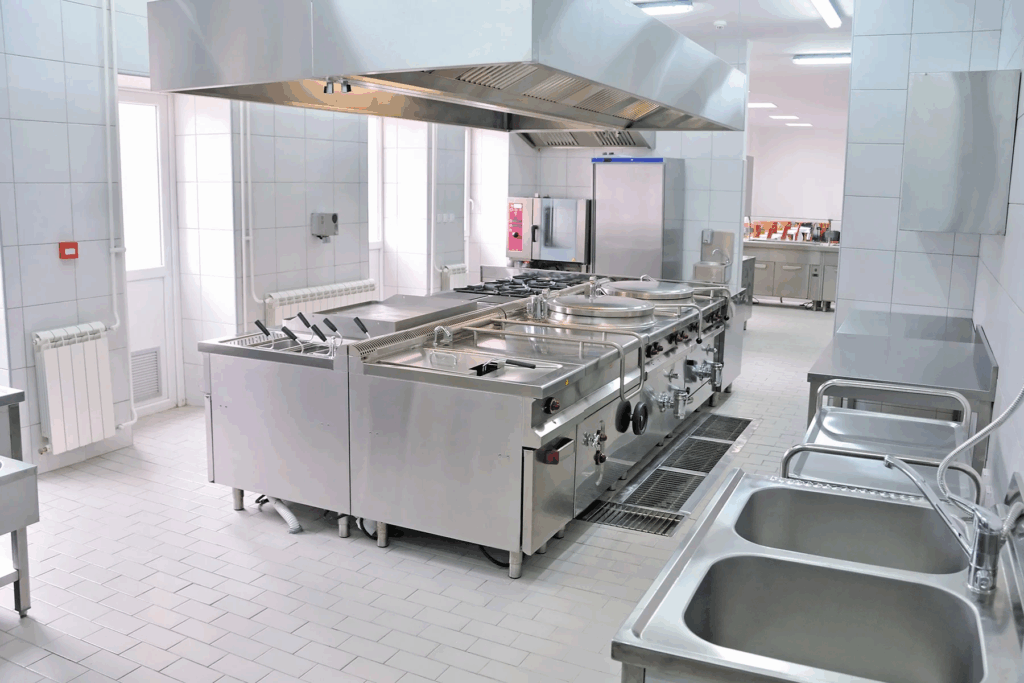
Anyone who’s worked a Friday night rush in a fast food kitchen knows the truth nobody puts in the brochure: commercial kitchen equipment either keeps up with the pace or it becomes the bottleneck that slows everything down. Orders stacking up, grills running non-stop, a fryer line that can’t afford a single hiccup. That’s the environment high-volume fast food kitchens actually operate in, and it’s a completely different world from a slow café doing forty covers a day. It’s also exactly the kind of pressure PS Hospitality Services designs its commercial kitchen equipment around.
A lot of first-time operators make the same mistake they buy equipment sized for a moderate kitchen and assume it’ll scale once volume picks up. It usually doesn’t. Fast food service runs on speed and consistency, and the equipment either holds up under that pressure or it starts breaking down at exactly the wrong moment, usually during your busiest hour on your busiest day.
Why Commercial Kitchen Equipment for Fast Food Is Its Own Category
Fast food kitchens aren’t just smaller versions of fine dining setups running faster. The whole workflow is different: high turnover, repetitive high-heat cooking, constant prep happening simultaneously with service. This changes what actually matters when you’re picking commercial kitchen equipment for this kind of operation.
Durability under near-constant use matters more here than almost anywhere else in hospitality. A grill or fryer in a fine dining kitchen might run hard for a few hours during dinner service. In a fast food setup, that same equipment could be running twelve or fourteen hours straight, day after day, with barely a break to cool down. Commercial kitchen equipment built for this kind of workload needs to be a different tier entirely from what a smaller, slower kitchen gets by with.
Commercial Chimney Manufacturer Choices Matter More Than People Expect
Ventilation is one of those things nobody thinks about until it’s a problem: smoke building up, grease accumulating faster than the system can clear it, staff working in a kitchen that’s uncomfortably hot because airflow just isn’t keeping up. A solid commercial chimney manufacturer understands that high-volume cooking generates a lot more smoke and grease than a standard kitchen, and the extraction system needs to be sized accordingly, not just installed as a generic fit.
This is one area where cutting corners shows up fast, and not in a good way. An undersized chimney system means grease buildup happens quicker, cleaning cycles need to be more frequent, and there’s a real fire risk if maintenance slips even a little. Working with a proper commercial chimney manufacturer who actually sizes the system for your kitchen’s real output, rather than a generic template, tends to save a lot of headaches down the line.
Finding the Right Commercial Chimney Supplier for Ongoing Support
There’s a difference between buying a chimney system once and having a commercial chimney supplier who sticks around for servicing, filter changes, and repairs when something inevitably needs attention. Grease extraction systems need regular cleaning to stay compliant and safe, and a supplier who disappears after installation leaves you scrambling when maintenance time rolls around.
A dependable commercial chimney supplier should be able to talk you through cleaning schedules, filter replacement, and what kind of maintenance your specific kitchen setup will realistically need based on your cooking volume not a one-size-fits-all answer copied from a brochure.
Planetary Mixer Manufacturer Matters for Bakery and Prep-Heavy Menus
If your fast food menu includes anything baked buns, batters, dough for anything fried in-house the mixer you’re using becomes a genuine bottleneck if it’s underpowered. A capable planetary mixer manufacturer builds machines that handle continuous, heavy-duty mixing without the motor straining or the gearing wearing out faster than it should.
This matters even more at fast food volume, where prep happens in large batches to keep up with service rather than small, occasional mixes. Ask a planetary mixer manufacturer directly about the motor’s rated capacity against your actual daily batch sizes a mixer built for light, occasional use simply won’t hold up under daily high-volume prep, no matter how solid it looks sitting in a showroom.
Industrial Deep Fridge Manufacturer Decisions Affect Your Entire Supply Chain
Refrigeration failures in a fast food kitchen aren’t just inconvenient, they’re expensive fast, since high-volume kitchens typically hold a lot more perishable stock than a slower operation. An industrial deep fridge manufacturer worth working with pays close attention to compressor quality, insulation, and door seal design, because those three things together determine whether a unit holds steady temperature through a long, demanding service day.
Ask specifically about compressor brand and warranty coverage on cooling components, not just the general product warranty. A fridge that struggles during peak hours doesn’t just mean a repair bill, it means potential stock loss, and at fast food volume, that stock loss adds up quickly.
Bain Marie Manufacturer Standards Affect Food Safety Directly
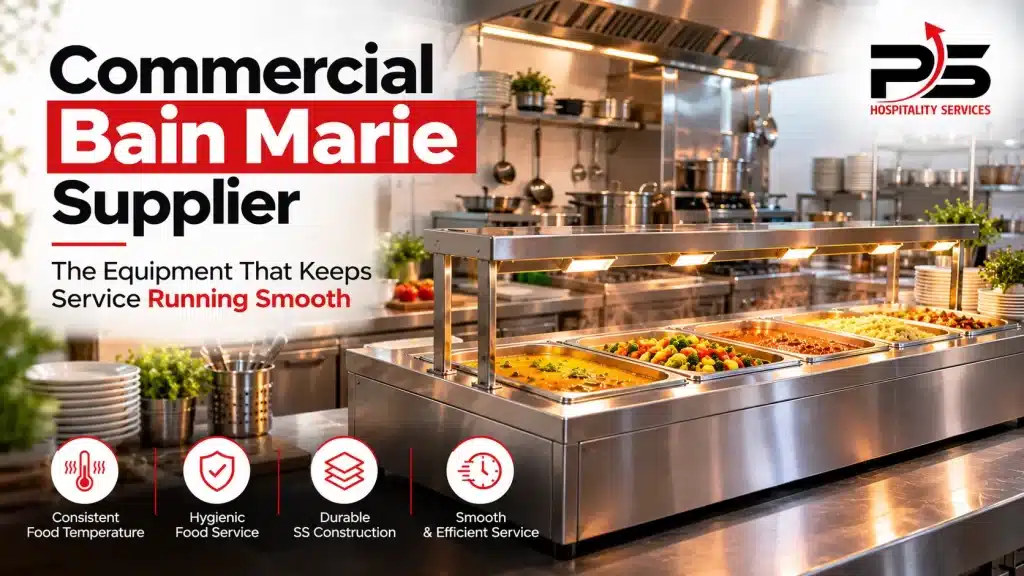
For any fast food operation holding prepared food at serving temperature sauces, sides, pre-cooked components waiting for assembly the bain-marie setup isn’t optional equipment, it’s a food safety requirement. A reliable bain marie manufacturer builds units with consistent, even heat retention that actually keeps food at safe serving temperatures throughout a long service window, not just warm to the touch for the first hour.
Uneven heating in a bain-marie is a genuine risk, both for food safety and for consistency in what customers are actually being served. This is one piece of equipment where it really doesn’t pay to go with the cheapest option available.
SS Storage Rack Supplier Choices Affect Daily Kitchen Flow
Storage rarely gets much attention during the buying process, but in a high-volume kitchen, racks are loaded, unloaded, and reorganized constantly throughout the day, carrying real weight in bulk ingredients and prepped stock. A weak SS storage rack supplier sells racks that look fine on delivery day and start sagging or corroding within months once they’re actually carrying daily working loads.
A dependable SS storage rack supplier builds for proper load-bearing capacity and uses food-grade steel finishing that holds up under constant use, not just a shiny surface that looks good for the first few weeks.
The Smaller Equipment That Keeps Fast Food Kitchens Running
Beyond the big-ticket items, fast food kitchens lean heavily on equipment that’s easy to overlook during the buying process cutting tables, chopping tables, deep fridges, sinks, an SS wash basin, salad counters, and service trolleys. In a high-volume setting, all of this runs constantly, and any weakness in build quality shows up fast under that kind of daily wear.
A cutting table or chopping table that wobbles under repeated heavy chopping slows down prep and creates a real safety concern during a busy shift. Sinks and an SS wash basin need to handle constant water exposure without corroding at the seams, something that happens faster than people expect with cheaper steel. Salad counters and service trolleys get moved and loaded dozens of times a day, so sturdy frames and reliable wheels matter more than they seem to on a spec sheet. None of this equipment is exciting to shop for, but at fast food volume, there’s genuinely no room for any of it to underperform.
Why the Right Supplier Relationship Matters More at This Volume
High-volume kitchens can’t afford long equipment downtime the way a slower operation sometimes can. A broken chimney, a failing fridge, a mixer that’s stopped working mid-prep any of these can genuinely disrupt service on a busy day. This is why the supplier relationship matters just as much as the equipment specs themselves.
A good supplier doesn’t just sell commercial kitchen equipment and move on. They stay reachable for servicing, understand your kitchen’s actual daily volume, and can recommend equipment sized correctly for how hard your operation actually runs, not just what fits a standard package deal.
Building a Kitchen That Can Actually Handle the Volume
Setting up a fast food kitchen means thinking beyond what looks good on day one and planning for equipment that holds up under sustained, repetitive, high-pressure use for years. From the commercial chimney manufacturer handling your ventilation to the bain marie manufacturer keeping your food at safe temperature through a long service window, every piece of commercial kitchen equipment in a fast food setup needs to be chosen with actual daily volume in mind, not just theoretical capacity.
PS Hospitality Services works with fast food and high-volume kitchen operators to supply commercial kitchen equipment built for exactly this kind of demanding, continuous use from chimney systems and mixers to storage, refrigeration, and prep equipment. If you’re setting up or upgrading a high-volume kitchen, explore the full range of commercial kitchen equipment or get in touch for a free kitchen planning consultation the team will help you spec equipment sized for how hard your kitchen actually runs, not a generic package. More details are available at pshospitalityservices.com.
Frequently Asked Questions
1. What should I look for in a commercial chimney manufacturer for a fast food kitchen?
Check that the system is sized for your actual cooking volume, not a generic template. A capable commercial chimney manufacturer will account for the higher smoke and grease output of continuous high-volume cooking when designing the extraction system.
2. Do I need ongoing support from a commercial chimney supplier after installation?
Yes. Grease extraction systems need regular cleaning and filter changes to stay safe and compliant, so it’s worth working with a commercial chimney supplier who sticks around for servicing rather than one that disappears after the initial sale.
3. What makes a planetary mixer manufacturer suitable for high-volume prep?
Look at motor torque and gearing durability against your actual daily batch size. A capable planetary mixer manufacturer can confirm the machine’s rated capacity, since a mixer built for light use will strain and wear out fast under continuous heavy-duty prep.
4. Why does the industrial deep fridge manufacturer matter so much for fast food kitchens?
High-volume kitchens hold a lot of perishable stock, so compressor quality, insulation, and door seals directly affect whether the fridge holds steady temperature. A reliable industrial deep fridge manufacturer should also offer clear warranty coverage on the cooling components specifically.
5. Why is the bain marie manufacturer choice a food safety issue?
A bain-marie holding prepared food at serving temperature needs even, consistent heat retention throughout a long service window. Uneven heating from a poorly built bain marie manufacturer’s unit can lead to food sitting at unsafe temperatures without anyone noticing.
6. How does SS storage rack supplier quality affect daily kitchen operations?
Racks in a busy kitchen carry real daily weight from bulk ingredients and prepped stock. A weak SS storage rack supplier sells racks that sag or corrode within months, while a dependable one builds for proper load-bearing capacity and lasting food-grade steel finishing.
7. What smaller equipment often gets overlooked when setting up a fast food kitchen?
Cutting tables, chopping tables, sinks, an SS wash basin, salad counters, and service trolleys all run constantly during service. They’re easy to underestimate during buying, but weak build quality in any of these shows up fast under high-volume daily use.