Anyone setting up a commercial kitchen eventually runs into this exact debate, Indian burner or Chinese burner? It sounds like a small decision buried under bigger ones like ovens and refrigeration, but the burner is arguably the piece of equipment your kitchen leans on hardest, hour after hour, service after service. Get it wrong, and you’ll feel it every single day the kitchen’s open.
This isn’t really a question with one universal answer. It comes down to what your kitchen actually cooks, how hard you run your burners, and what kind of support you expect once the warranty period ends. pshospitalityservices works with kitchens across formats restaurants, cloud kitchens, bakeries, hotels including Commercial Kitchen Equipment in Siliguri projects, and this exact question comes up constantly during equipment planning.
What Actually Separates an Indian Burner from a Chinese Burner
The core difference isn’t just where the burner was manufactured it’s in the build quality, the metal used, and how the burners designed to handle continuous high-heat cooking. Indian burners, especially ones built by manufacturers who understand Indian cooking styles, tend to be engineered for the kind of high-flame, constant-use cooking that tandoors, kadhais, and large-volume Indian dishes demand.
Chinese burners, on the other hand, are often built lighter and cheaper, which can make them attractive on price alone. But that lighter build sometimes means thinner metal around the burner head, which wears down faster under continuous high heat especially in kitchens running long service hours without much downtime between shifts. Kitchens that need both cooking styles side by side often go with a setup like 2 Indian and 1 Chinese, which gives you the flexibility to run high-flame Indian dishes and wok-style cooking on the same range.
Neither option is universally “better.” The right choice depends heavily on your kitchen’s actual cooking style and how hard you’re going to run the equipment daily.
Why Burner Choice Matters More in a Cloud Kitchen Setup
If you’re running a cloud kitchen equipment setup, your burners are working differently than they would in a traditional restaurant. Cloud kitchens often run multiple concurrent orders with less downtime between cooking cycles, since there’s no dine-in pacing to naturally space things out. That means your burners are firing almost continuously through peak hours.
For cloud kitchen equipment specifically, durability under sustained use becomes a bigger factor than it might be for a slower-paced kitchen. A burner that’s fine for occasional home-style cooking simply won’t hold up the same way under the kind of order volume a busy cloud kitchen pushes through daily. This is exactly where the build quality difference between Indian and Chinese burners tends to show up first.
Bakery Equipment Manufacturer Considerations Beyond the Burner
If your kitchen includes any baking breads, cakes, pastries burner choice matters less than working with a proper bakery equipment manufacturer for the oven and mixing side of things. Baking has its own demands around temperature consistency and proofing conditions that a general kitchen equipment supplier might not fully understand.
A dedicated bakery equipment manufacturer builds ovens and mixers specifically around these requirements, rather than treating baking equipment as an afterthought to a broader catalogue. If baked goods are a meaningful part of your menu, it’s worth browsing dedicated Bakery Kitchen Equipment and sourcing it separately from your burner and stovetop needs, since the two categories require pretty different manufacturing expertise.
Why the Commercial Chimney Manufacturer Matters Just as Much as the Burner
Whichever burner you choose, ventilation has to keep pace with it. High-flame cooking, especially the kind Indian burners are built for, generates a lot more heat and smoke than lighter cooking styles, and an undersized ventilation system turns your kitchen into an uncomfortable, unsafe place to work fast.
A capable commercial chimney manufacturer understands that burner output and chimney capacity need to be matched, not treated as separate decisions made independently. If you’re upgrading to higher-output Indian burners without also reassessing your chimney system, you’re setting yourself up for grease buildup, poor air quality, and a kitchen that’s genuinely uncomfortable to work in during peak hours.
Bain Marie Manufacturer Standards for Holding Cooked Food
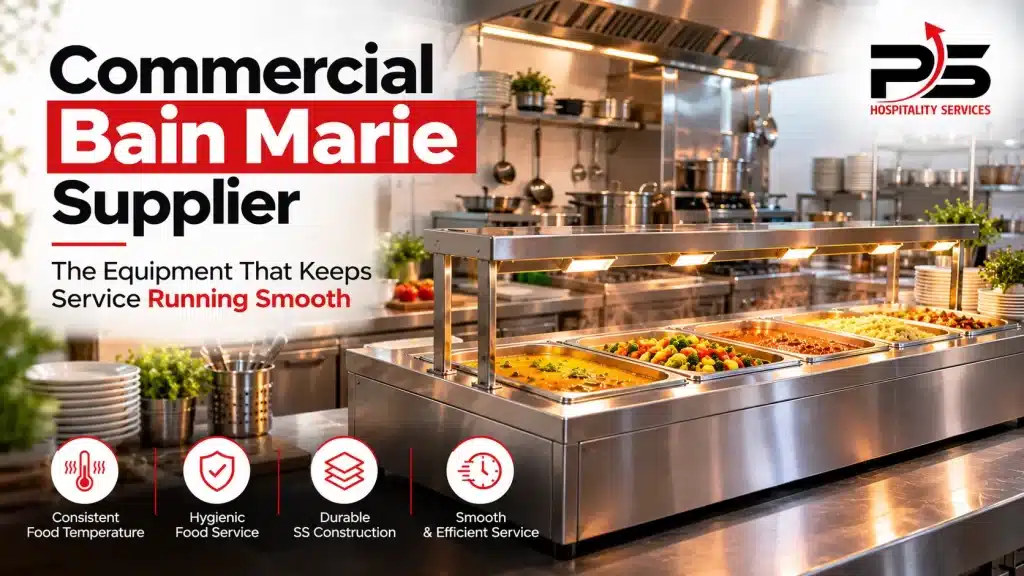
Once food comes off the burner, it usually needs to sit somewhere at safe serving temperature, which is where a reliable bain marie manufacturer comes into the picture. A bain-marie with inconsistent heating undermines everything the burner just accomplished food that was cooked properly can still end up unsafe if it isn’t held at the right temperature afterward.
For kitchens running high burner volume, especially ones pushing out large batches of gravies, curries, or sauces, the bain-marie needs to keep pace with that output. A weak bain marie manufacturer sells units that heat unevenly, creating cold spots where food sits at risky temperatures without anyone noticing until it’s too late.
Dosa Plate Manufacturer Quality Affects Consistency More Than People Expect
For kitchens serving South Indian items, the dosa plate is arguably as important as the burner itself. A good dosa plate manufacturer builds plates with even heat distribution across the entire surface, so dosas cook consistently whether they’re made at the edge or center of the plate.
A poorly made dosa plate, paired even with a solid burner, still produces inconsistent results some dosas undercooked, others burnt, depending on where they sit. This is one of those equipment pairings where both pieces need to work together properly, and skimping on either one shows up directly in food quality.
Chapati Machine Manufacturer Choices for High-Volume Roti Production
Kitchens pushing out large volumes of rotis or chapatis alongside their burner-cooked dishes often reach a point where manual production just can’t keep up. A dependable chapati machine manufacturer builds equipment that maintains consistent thickness and cooking across every single piece, which matters a lot once volume climbs past what a couple of kitchen staff can handle by hand.
Pairing a good chapati machine manufacturer’s equipment with the right burner setup takes real pressure off kitchen staff during peak hours, letting the team focus on other prep work instead of standing at the tawa non-stop through a busy lunch rush.
The Smaller Equipment That Ties the Whole Kitchen Together
Beyond the big equipment decisions, a functioning kitchen depends on plenty of smaller pieces that are easy to overlook a solid cutting table or chopping table for prep work near the burner station, deep fridges to hold ingredients at safe temperatures close by, and sinks or an SS wash basin for constant hand and equipment washing throughout service.
Salad counters and service trolleys matter too, especially in busier kitchens where food needs to move quickly from the burner station to the pass without losing quality along the way. None of this equipment is glamorous, but weak build quality in any of it shows up fast under daily high-volume use, the same way it does with the burner itself.
So, Indian Burner or Chinese Burner What Should You Actually Choose?
If your kitchen runs high-flame Indian cooking tandoori items, large-batch curries, high-heat wok cooking an Indian burner built for that specific demand is generally the more durable long-term choice. The heavier build and higher heat tolerance tend to hold up better under continuous daily use.
If your cooking style is lighter, or your volume is lower and more occasional, a standalone Chinese Burner might offer a reasonable cost-saving option without the same wear concerns, since it isn’t being pushed as hard on a daily basis. Plenty of kitchens end up combining both, which is exactly why range setups like 2 Indian and 1 Chinese have become such a popular configuration.
The honest answer really depends on your specific kitchen what you’re cooking, how often, and how much daily volume you’re actually running through the burner. A supplier who asks these questions before recommending a burner, rather than pushing whatever’s cheapest or most available, is the one worth working with.
Building a Kitchen Around What You Actually Cook
Choosing between an Indian burner and a Chinese burner isn’t really about brand preference it’s about matching the equipment to your kitchen’s real daily demands. The same logic applies across every other piece of equipment surrounding it, from the bakery equipment manufacturer handling your ovens to the commercial chimney manufacturer keeping your ventilation in check.
pshospitalityservices works with restaurants, cloud kitchens, and hotel kitchens including projects across Commercial Kitchen Equipment in Siliguri to help match equipment choices, burners included, to actual cooking volume and style, rather than defaulting to whatever’s cheapest on paper. More details are available at pshospitalityservices.com.
Frequently Asked Questions
1.Is an Indian burner always better than a Chinese burner for a commercial kitchen?
Not always. An Indian burner tends to hold up better for high-flame, continuous cooking like tandoori items or large-batch curries, while a Chinese burner can be a reasonable cost-saving option for lighter or lower-volume cooking styles.
2.Why does burner choice matter more for cloud kitchen equipment?
Cloud kitchens often run burners almost continuously through peak hours since there’s no dine-in pacing to space out orders, so durability under sustained use becomes a bigger factor than in a slower-paced kitchen.
3.Should I use the same supplier for burners and baking equipment?
Not necessarily. A dedicated bakery equipment manufacturer understands proofing and temperature consistency requirements that differ significantly from burner and stovetop equipment, so sourcing them separately often gives better results.
4.How does a commercial chimney manufacturer factor into the burner decision?
Burner output and chimney capacity need to be matched. Upgrading to a higher-output Indian burner without reassessing your ventilation system can lead to grease buildup and an uncomfortable, unsafe kitchen environment.
5.Why does bain marie manufacturer quality matter alongside burner choice?
Food cooked properly on a good burner can still become unsafe if it isn’t held at the right temperature afterward. A reliable bain marie manufacturer ensures even heating with no cold spots once food comes off the burner.
6.Does dosa plate manufacturer quality really affect consistency that much?
Yes. A poorly made dosa plate produces uneven cooking results even when paired with a good burner, since heat distribution across the plate surface directly affects how consistently each dosa cooks.
7.When does a chapati machine manufacturer become necessary alongside burner-cooked dishes?
Once roti or chapati volume exceeds what kitchen staff can manually produce during peak hours, a dependable chapati machine manufacturer helps maintain consistent output without pulling staff away from other prep work.